A Sparkler for Uncle Sam

I don’t believe in American exceptionalism, that we are or could ever be a “city on the hill,” or that we had a “greatest generation.” But since we’re only 250 once, here are 25 awesome things that America has done for itself and the rest of the world. I know that you’ve got a list of things we’ve done wrong - I do, too - but let’s please save that for another day.
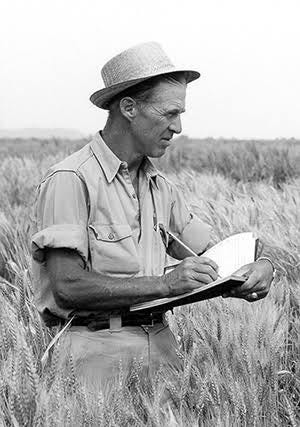
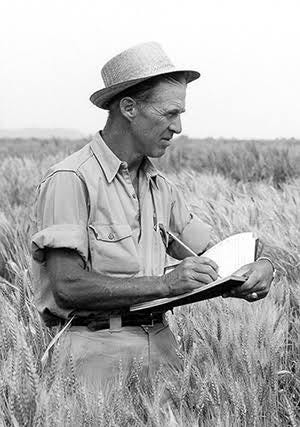
The Green Revolution – The post-WWII revolution in food production is a continuing miracle. Through a combination of improvements in hybrids, fertilization, and irrigation, the movement tremendously reduced malnutrition and child mortality across the globe. Many Americans – most notably Norman Borlaug (below) – played very important roles in this movement
Farm mechanization – Fewer people work on farms than ever before. That happened partly because Americans invented machines that replaced farm labor, including Cyrus McCormick’s mechanical reaper (1834), John Deere’s steel plow (1837), gas-powered tractors in the 1920s, and then post-WWII “combines” that reaped, threshed, and cleaned in a single pass. I never spent days “looking at a mule’s ass,” but my grandfather did.
Post-WWII Vaccines American researchers – supported by the government, universities and private drug companies like Merck – invented many vaccines that saved lives across the world, especially those for polio, measles, and MMR. Thank you, Jonas Salk.
National Parks – Nations had previously set aside wilderness areas, but America’s national parks are uniquely large and uniquely public. Teddy Roosevelt is one of my least favorite presidents, but he did help found the American National Park System. Many nations have subsequently set up their own park system, but America’s remains the best.
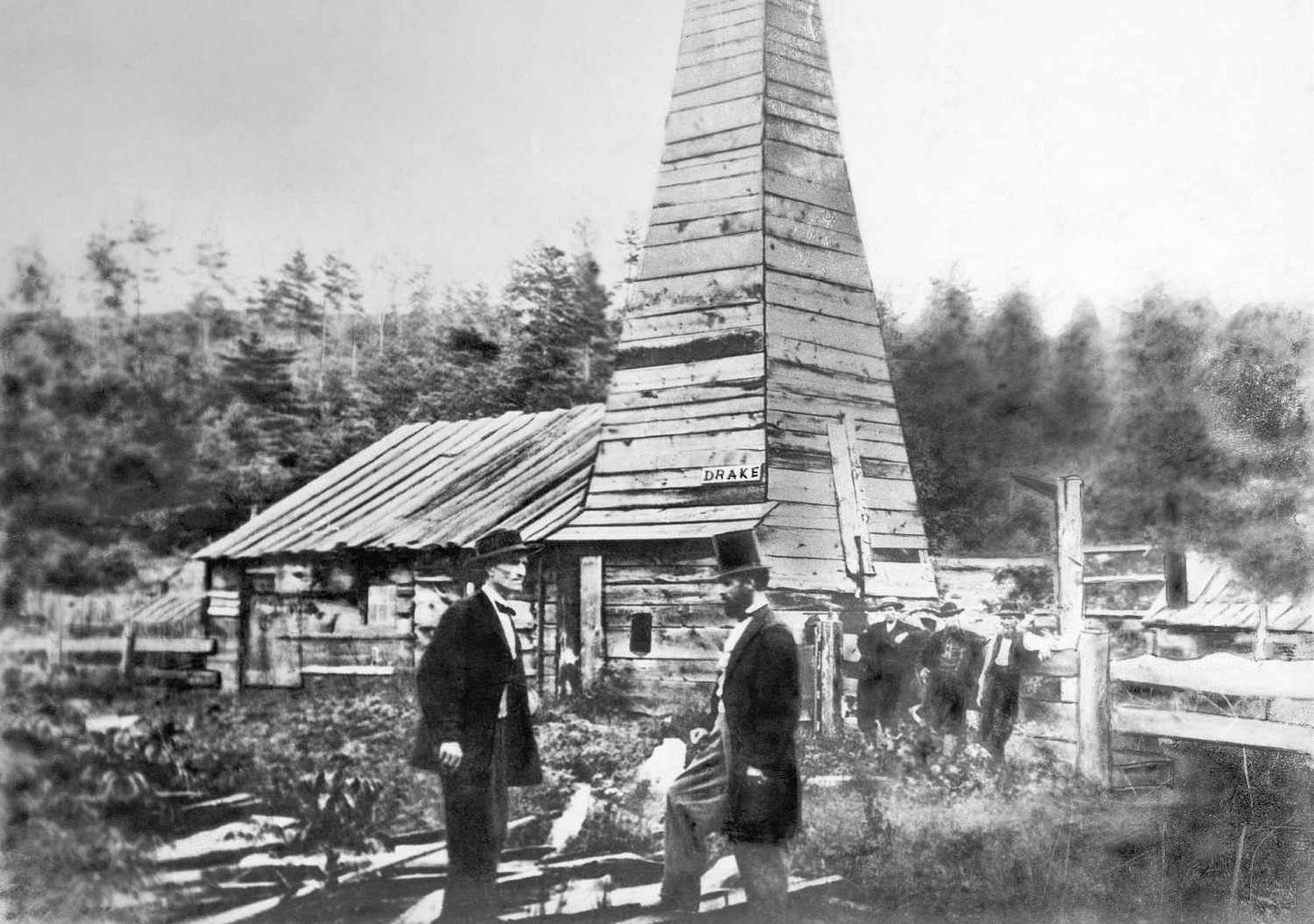
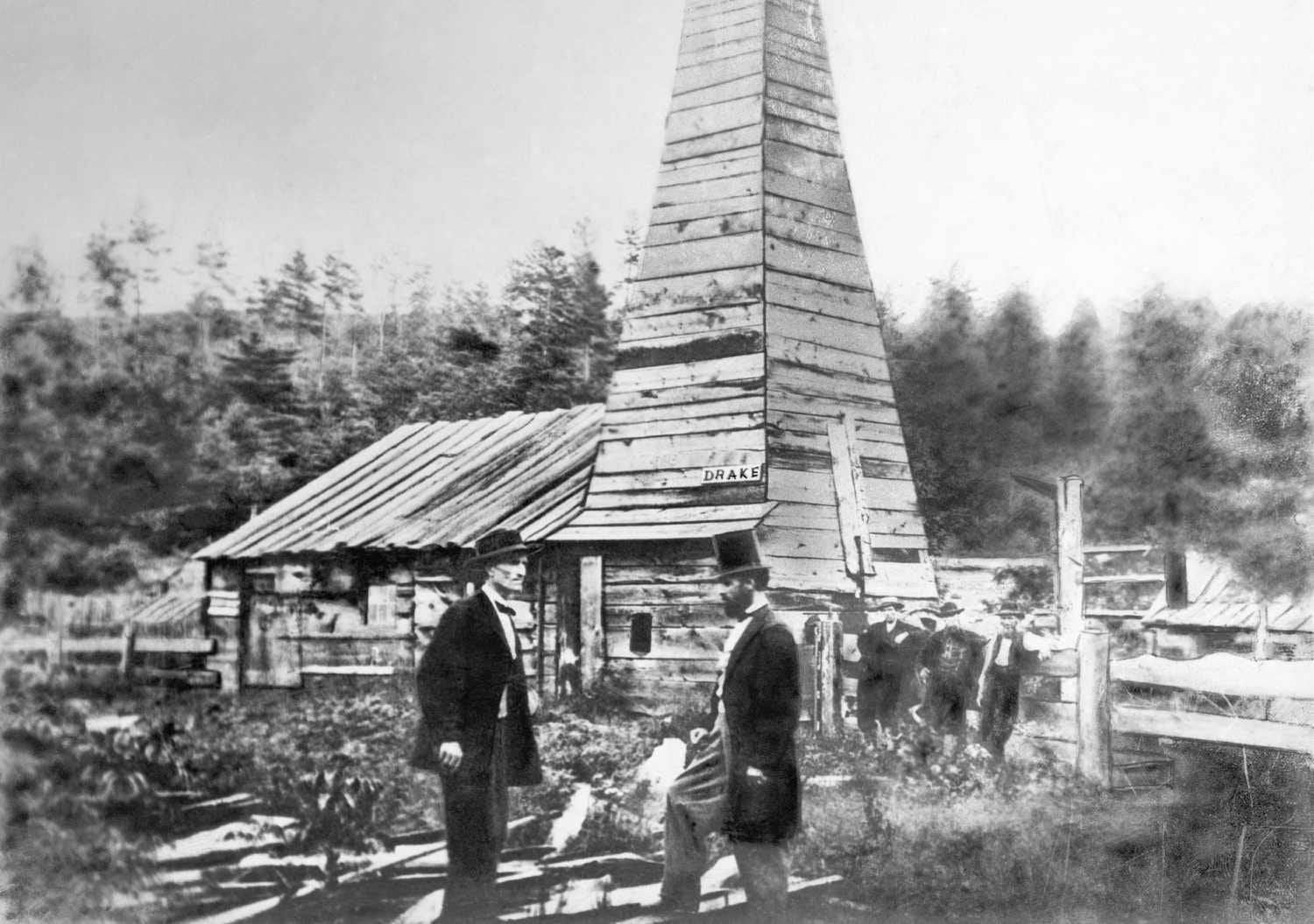
Petroleum - The modern industry began in Pennsylvania in 1859, and you can see it in modern brands like Quaker State and Pennzoil. Oil turned out to be a wonderful lubricant and a powerful source of energy that soon replaced coal in combustion engines of all types. Oil has brought serious problems, but do thank those early American drillers the next time you drive or fly.
Cars – The first practical cars were created in Germany and France, but the modern car industry was created in Detroit. Henry Ford and others invented the assembly line, pioneered the use of interchangeable parts, and created an ecosystem of suppliers, skilled workers, and distribution that enabled the production of cars at low cost.
Airplanes – There were French and German antecedents, but the Wright brothers built the first controllable, self-powered airplane in their Dayton bicycle shop. American companies like Boeing and McDonnell-Douglas later mass-produced jetliners that brought in the modern travel age. Igor Sikorsky was born in Russia, but he designed and mass-produced the first modern helicopters in Connecticut.
Rock and roll. Yes, the Beatles, the Rolling Stones and all those other Brits took our art form and made something new with it, but all the original rockers were Americans that mixed African American blues and white rockabilly. Keith Richards idolized Chuck Berry. Also Motown, Nashville, Bakersfield, and Clarksdale.
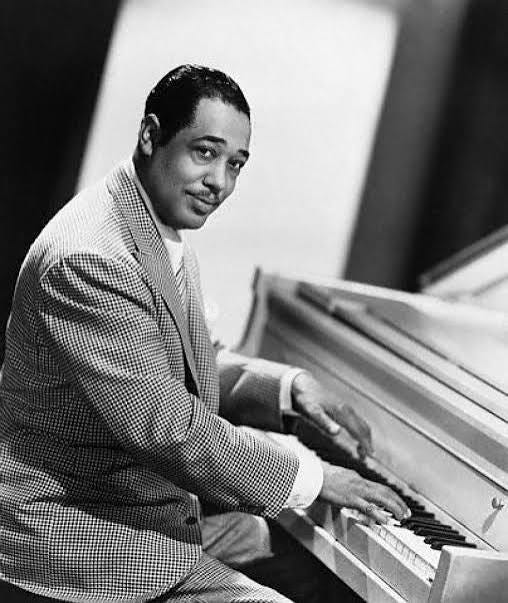
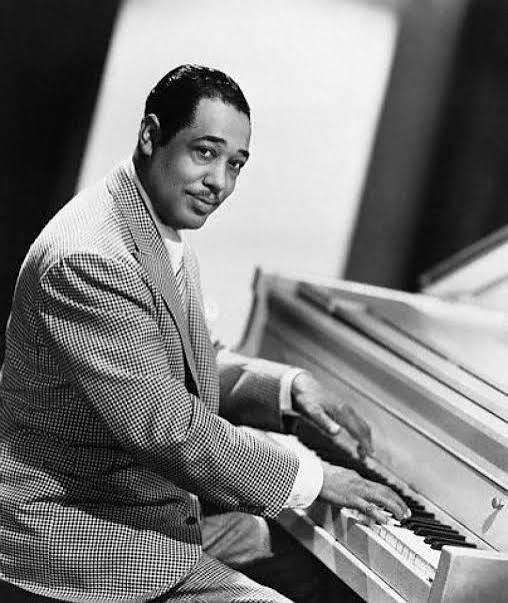
Jazz. We invented jazz, too, in Memphis, St. Louis, and New Orleans and then, later, in New York and Chicago. Jazz has never been as popular as rock, but it still influences music around the world. Duke Ellington (below) was from Washington, Louis Armstrong from New Orleans, and George Gershwin from New York.
Hollywood - Some early technical advances were made by the French Lumiere brothers, but Los Angeles was the worldwide leader in film production and innovation by 1910. Americans largely invented both “talkies” (i.e., movies with sound) and “technicolor” movies. Other countries long ago followed suit, but there’s a reason why foreign film industries have names like Bollywood.
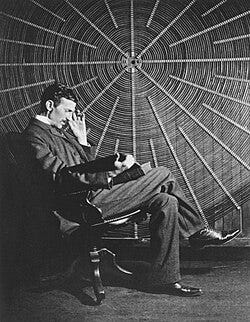
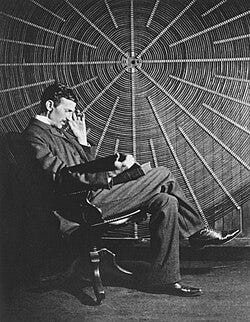
Electricity - Americans were not the first to understand electricity, Ben Franklin’s kite notwithstanding. But Americans like Thomas Edison and Nikola Tesla (born in modern Croatia and pictured below) were the first to harness and distribute electric power to industry and households. The rest of the world ultimately copied American plants and grids and, in many ways, the availability of electric power is what most separates our everyday life from that of our ancestors.
The Light Bulb - Thomas Edison’s invention of the light bulb is a cliche, but we shouldn’t take it for granted. Pre-Edison lighting came from the burning of fats - tallow in candles, whale oil in streetlamps - and it was a dirty, ineffective, and dangerous thing. The light bulb greatly extended the fraction of the day in which productive work could be done. Never take it for granted.
The Telephone – There were antecedents in Europe, but the wired telephone was invented by Alexander Graham Bell in New Jersey in 1876. A telephone was only useful, of course, if you had somebody to call, and companies like American Telegraph and Telephone built connecting infrastructure and made inexpensive phones that were soon standard in American homes. The rest of the world ultimately followed.
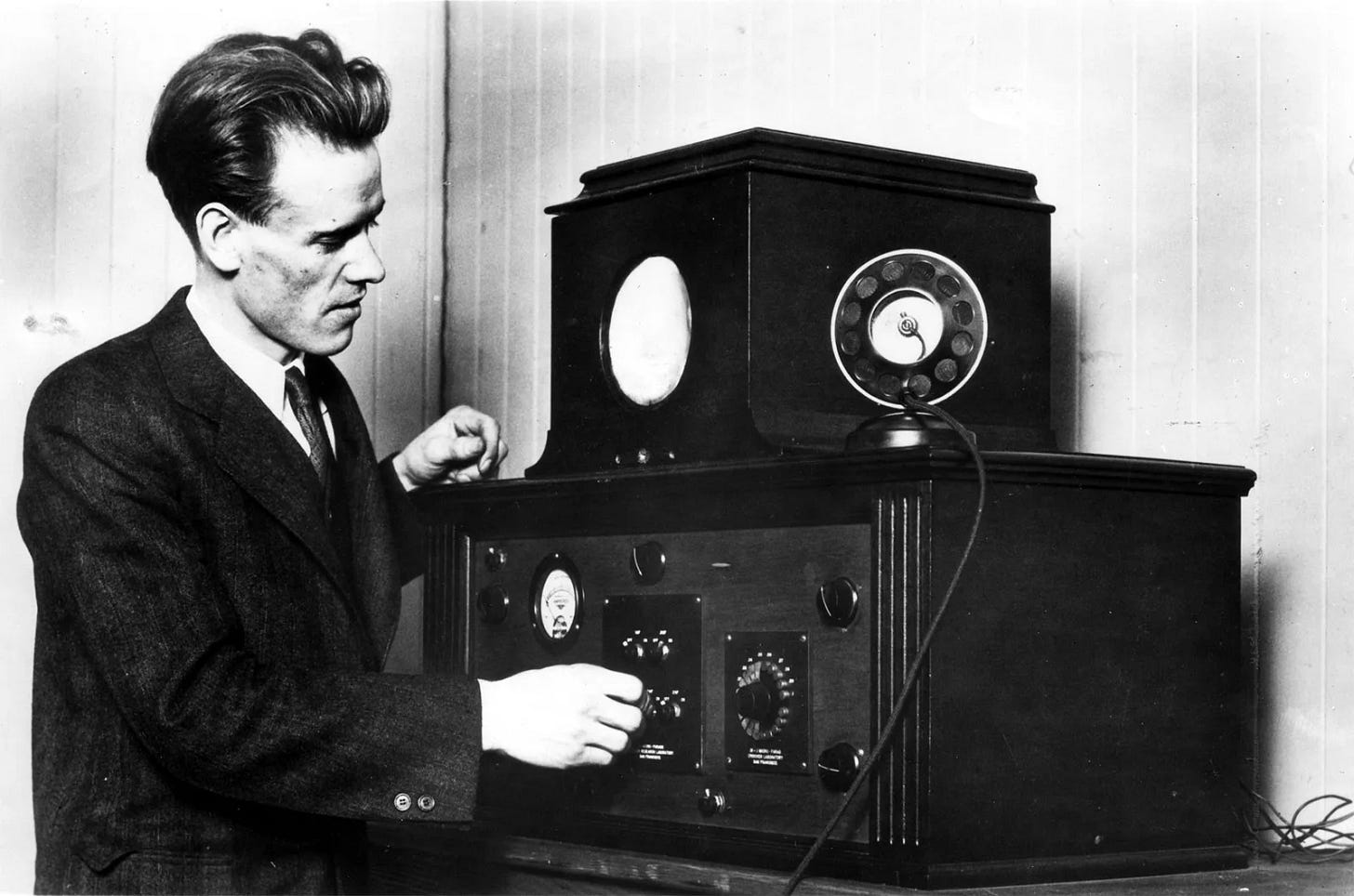
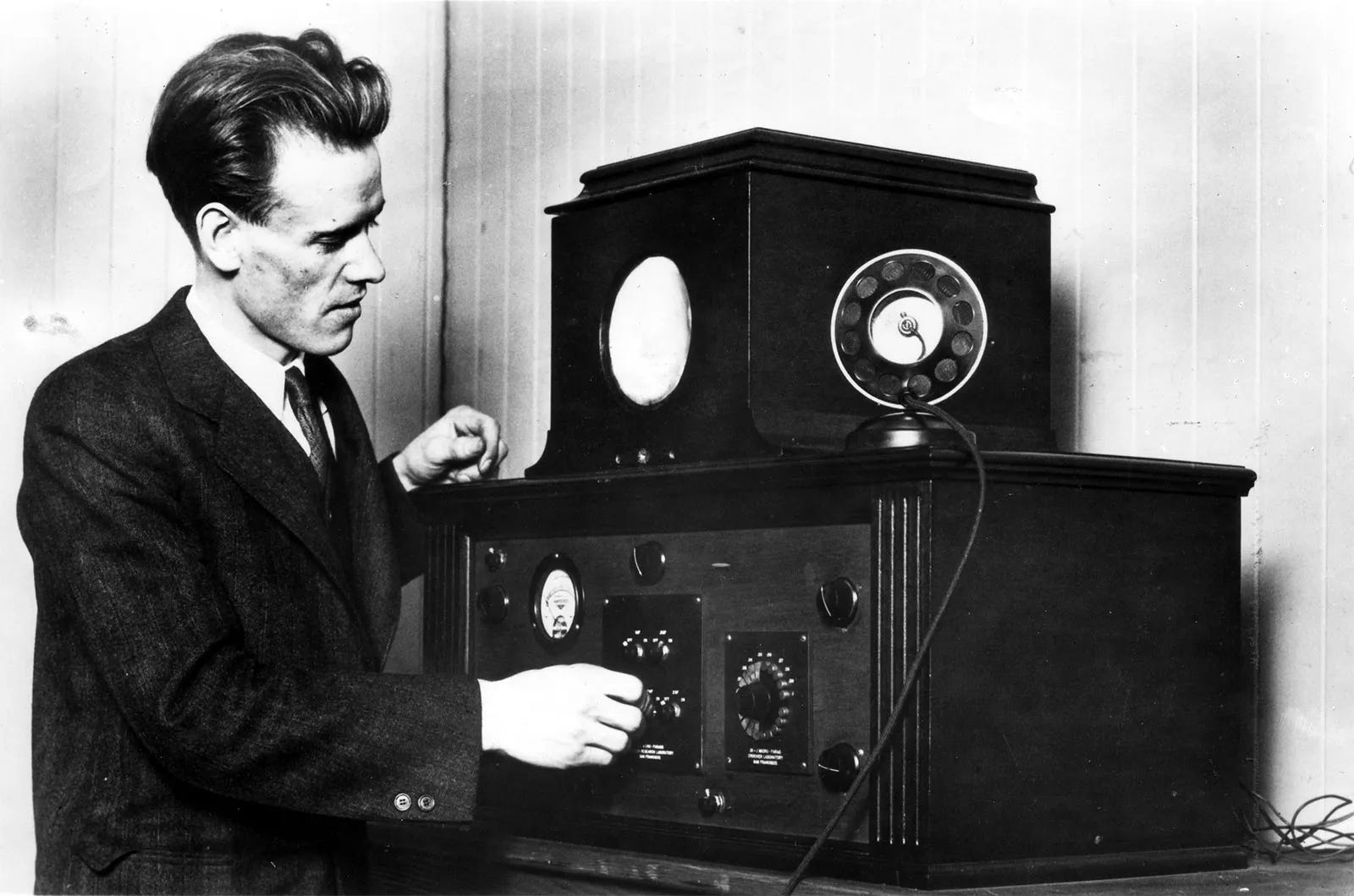
Radio and Television – Wireless communication had antecedents in Europe, but wireless sound transmission was invented in America (by a Canadian) and the world’s first real radio station was in Pittsburgh. Modern television was invented by American Philo Farnsworth (below) in 1927. Radio and television required an ecosystem of broadcasters and receivers, and both systems were pioneered in America by companies like RCA and Westinghouse.
Refrigerators and Air Conditioning – The basic idea of compressor-based cooling had been around for a very long time, but it was American companies that pioneered the mass production of refrigerators and air conditioners. Thank Willis Carrier (born near Buffalo in 1876) next time you have an iced tea.
Household Appliances. Housework takes much less time than it did 100 years ago, and it’s largely because of appliances that were invented and popularized in America. Companies like Maytag, Whirlpool, and General Electric produced cheap and reliable washers, dryers, dishwashers, ranges, and stoves that soon became standard in American homes (and to a lesser extent elsewhere). Also, Raytheon engineer Percy Spencer invented the microwave oven.
Computers. Britain played an important role in the development of computers through roughly 1950, but it was almost entirely Americans – many of them immigrants – who developed and propagated the mainframe, desktop, and eventually handheld computers (i.e., smartphones) that dominate our world. You may bemoan certain consequences of the computer revolution, but the rest of the world is still eager to embrace our invention.
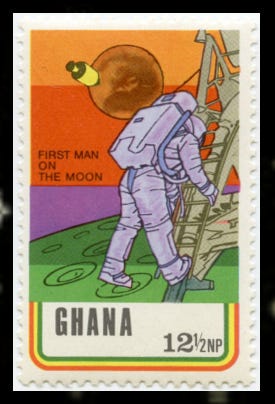
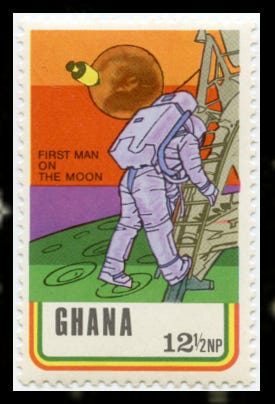
Space Exploration. America amazed the world when we put Neil Armstrong on the moon in 1969. The space shot was mostly engineering, i.e. an application of existing technologies such as rocket engines and microwave communication that had been developed during WWII. But the moon landing excited the world like no other event in world history, and it bred a confidence in human ingenuity that was available to anyone.
WWII. It’s an injustice to Americans of the time to sanitize their behavior, as war often brings out the worst in us as in other people. But we should never lose sight of the fact that America did do the world a great service by terminating two of history’s most genocidal regimes in Hitler’s Germany and Tojo’s Japan.
The Cold War. We chose our enemies well in the Cold War, too. The USSR really was a genocidal regime dedicated to world immiseration and domination. We have many things to regret in its prosecution, but it’s a very good thing that we won that war, too.
Public schools. Free public schools existed in parts of Europe, but between 1865 and 1940 America built out a public school system that was more universal than anything the world had seen before. The result was that, by 1940, America had an adult population that was more likely to have attended high school and generally more educated than any country in history. Other countries emulated our methods.
Basketball. Now, during the 2026 World Cup, is a good time to remember that basketball is the world’s best sport. Hoops were of course invented in Springfield, Massachusetts by James Naismith, a phys-ed teacher from Canada. Hoops were for many years an American oddity, but the rest of the world has wisely embraced it and the NBA’s last eight MVP trophies have gone to people born outside of the U.S., including Giannis Antetokounmpo.

Skyscrapers. I’ve never lost my childish awe at tall buildings – the Chrysler building is still a favorite - and I still see them as an emblem of human ingenuity and cooperation every time I fly over a city at night. The rest of the world agrees. America built the first skyscrapers and they were enabled by a series of technical advances in elevators and high-strength steel. Thank you, Elisha Otis!
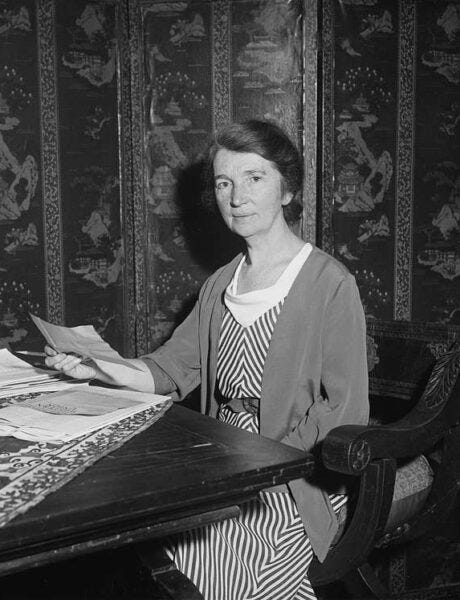
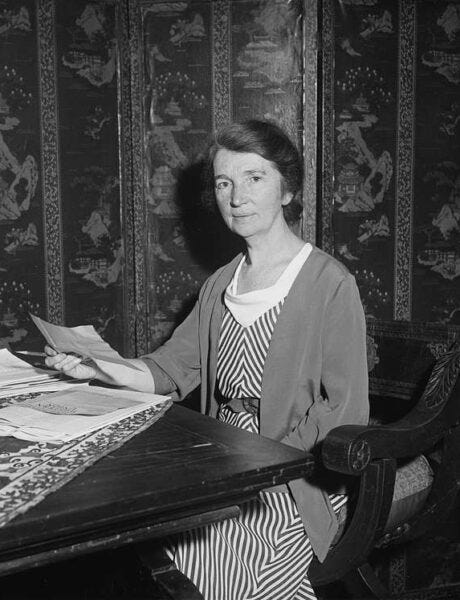
The Pill. The first birth control pills became available in the 1960s and they – almost immediately – greatly reduced the number of unwanted pregnancies that often dominated the lives of both married and unmarried women. The pill’s development was enabled by a wide range of scientific and medical understanding, but its specific development was funded by American Katharine McCormick at the behest of American birth-control advocate Margaret Sanger (below).
Public Health. American institutions – some public, some private – led many of the post-WWII public health initiatives that have greatly reduced child mortality in lower-income countries. These include Vitamin A supplementation, the eradication of smallpox, the distribution of anti-malaria mosquito netting, and the propagation of oral hydration therapy that greatly reduced deaths due to diarrhea.

These are just my somewhat arbitrary list of 25 great things done by Americans, and there are many more that almost made the list – e.g., modern dentistry, the use of insulin in diabetes treatment (Canada gets a share here), and of course soft serve ice cream. Any reader will surely have want to make some deletions and substitutions.
You may think that, well, doesn’t every country have a similar set of accomplishments over the past 250 years? The answer is mostly no, they don’t, and not just because the United States is now the 3rd most populous country in the world. People can debate about the why, but it’s a fact that a disproportionate share of the good things of the modern world originated in the United States. We should not take that for granted.
Thank you, Uncle Sam. Here’s to another 250 years.
It's a lovely country, and I'm very proud to have called it home.
You can debate why so many new ideas took shape in America. A lot of it is economic. There was a market, and then you could build things and expect to sell them. But I think it's a lot more than that. Actually, I think probably the most important thing on the list was public education. Not because it grew scholars alll over the place, but it gave a huge base of thinking people from which grew great innovation. And it just doesn't really exist in a lot of other countries.
I think a lot of it is also just the American spirit of, you know, the idea of defying authority, that bleeds into intellectual thought, defying standard technology and standard practices. I think that's one thing that Americans are good at, is saying, well, I can do this a better.
A shout out to our classmate Seung Kim, who just had a breakthrough last year..using three-way transplant, he completely reversed diabetes in mice.
Finally, let's remember
Making out in cars
Gong show
Kool aid
Cocktails
And best of all,
Pet rock
Happy birthday to America!!!